Exploring the Rich Tradition of Turkish Baths
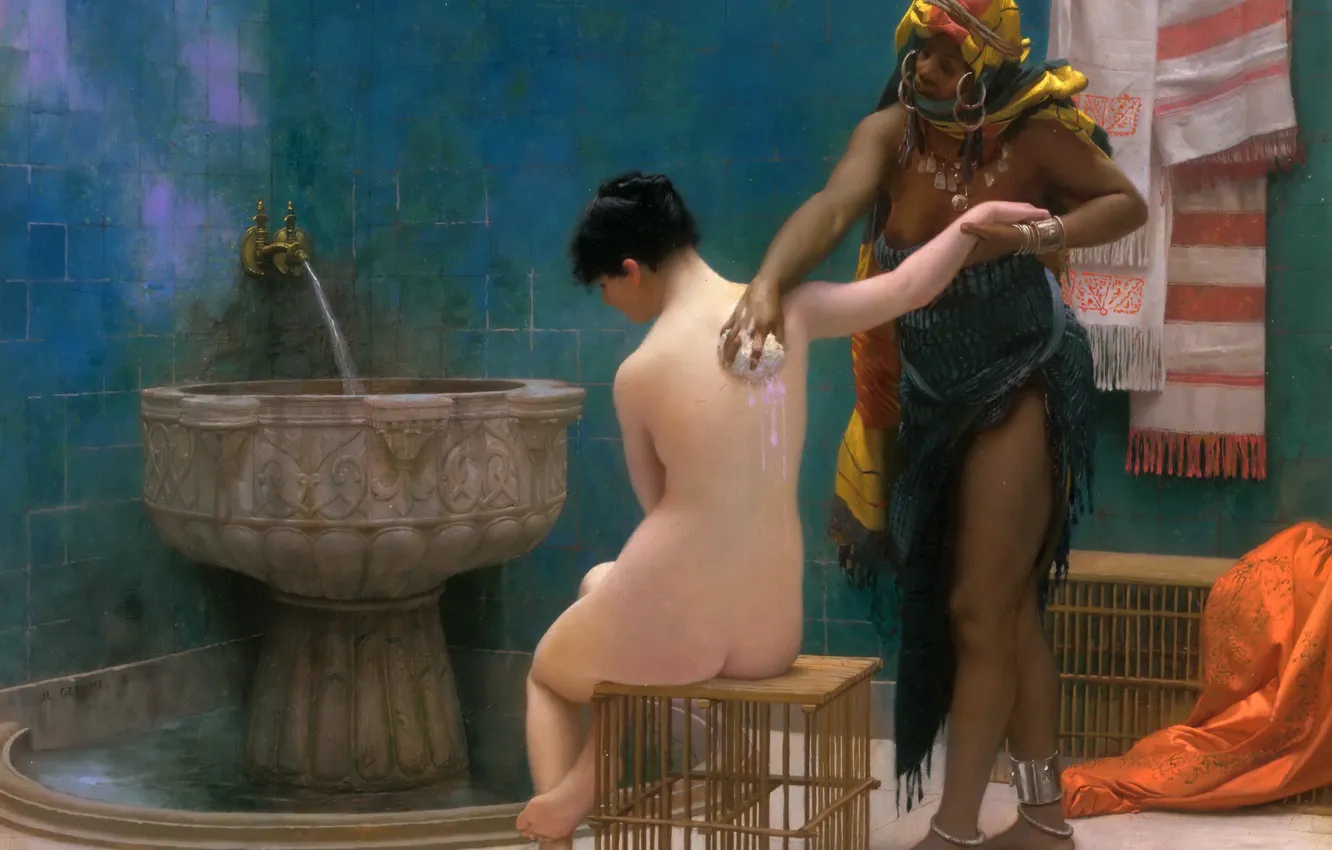
The Turkish bath, or hamam as it is traditionally known, stands as a testament to a rich cultural heritage that dates back to the Roman era, evolving through Byzantine and Ottoman influences to become an integral part of Turkish life. More than just a bathing experience, the hamam is a ritual that cleanses both body and soul, fosters community bonds, and offers a serene escape from the demands of daily life.
The Historical Significance of Turkish Baths
The origins of the Turkish bath lie in Roman bath culture, which the Byzantines inherited and the Ottomans elevated to an art form — infusing it with architectural magnificence and deep ritualistic importance. The hamam became a cornerstone of community life: a social hub where news was exchanged, celebrations held, and the milestones of life observed. From bridal baths on the eve of a wedding to weekly gatherings for communal relaxation, the hamam has always been woven into the rhythm of Turkish society.
The Cultural Heartbeat of Turkey
For Turks, the hamam is a sanctuary where the stresses of life are steamed away and the spirit is restored. It is a space where the body is purified and the mind finds stillness — an essential part of Turkish wellness culture that has endured for centuries. The special hamam days reserved for weddings and celebrations reveal the institution’s deeper role: not merely hygienic, but social and spiritual, marking the most significant moments of a life.
The Hamam Experience: A Ritual of Renewal
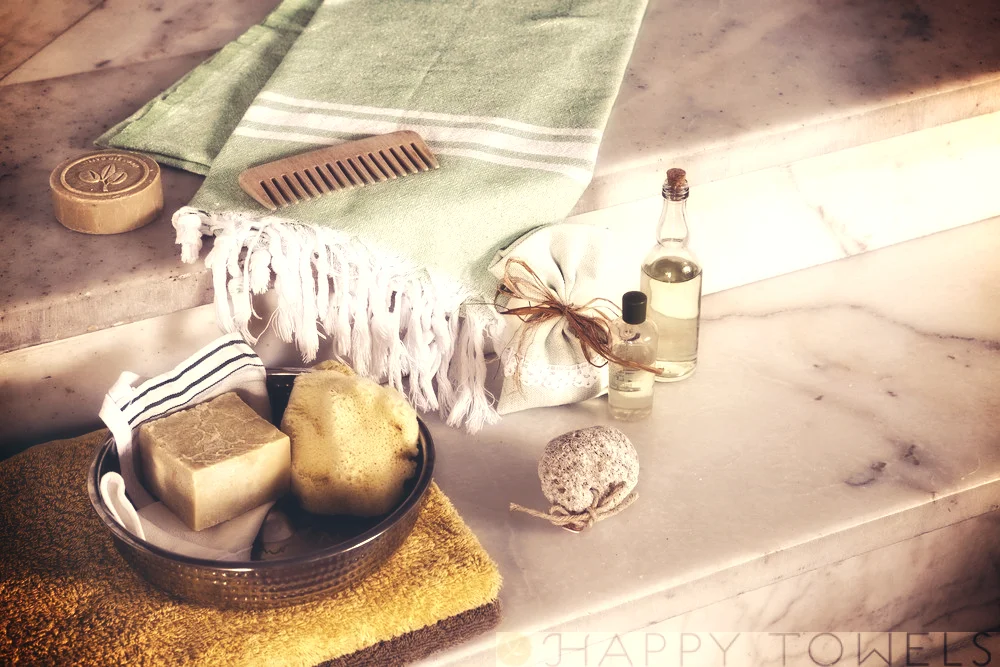
Entering a Turkish bath is like stepping into another world, where time slows and the focus shifts entirely to relaxation. The process begins in the warm room (ılıklık), where the heat gently prepares the body. From there, you move to the hot room (sıcaklık) for a vigorous scrub with a kese mitt, followed by a foamy massage. The ritual concludes in the cooling room (soğukluk), where the body and mind settle into a deep calm. This sequence, unchanged for centuries, offers a unique blend of purification, reflection, and cultural immersion.
Istanbul’s Most Iconic Hamams
Cağaloğlu Hamamı
Built in 1741 during the reign of Sultan Mahmut I, Cağaloğlu Hamamı is one of the last great hamams constructed during the Ottoman Empire and among the most celebrated in the world. Its baroque exterior and spacious marble interiors — with separate sections for men and women, intricately carved stonework, and soaring domed ceilings — create an atmosphere of timeless elegance. It remains one of the finest places in Istanbul to experience an authentic Turkish bath.
Galatasaray Hamamı
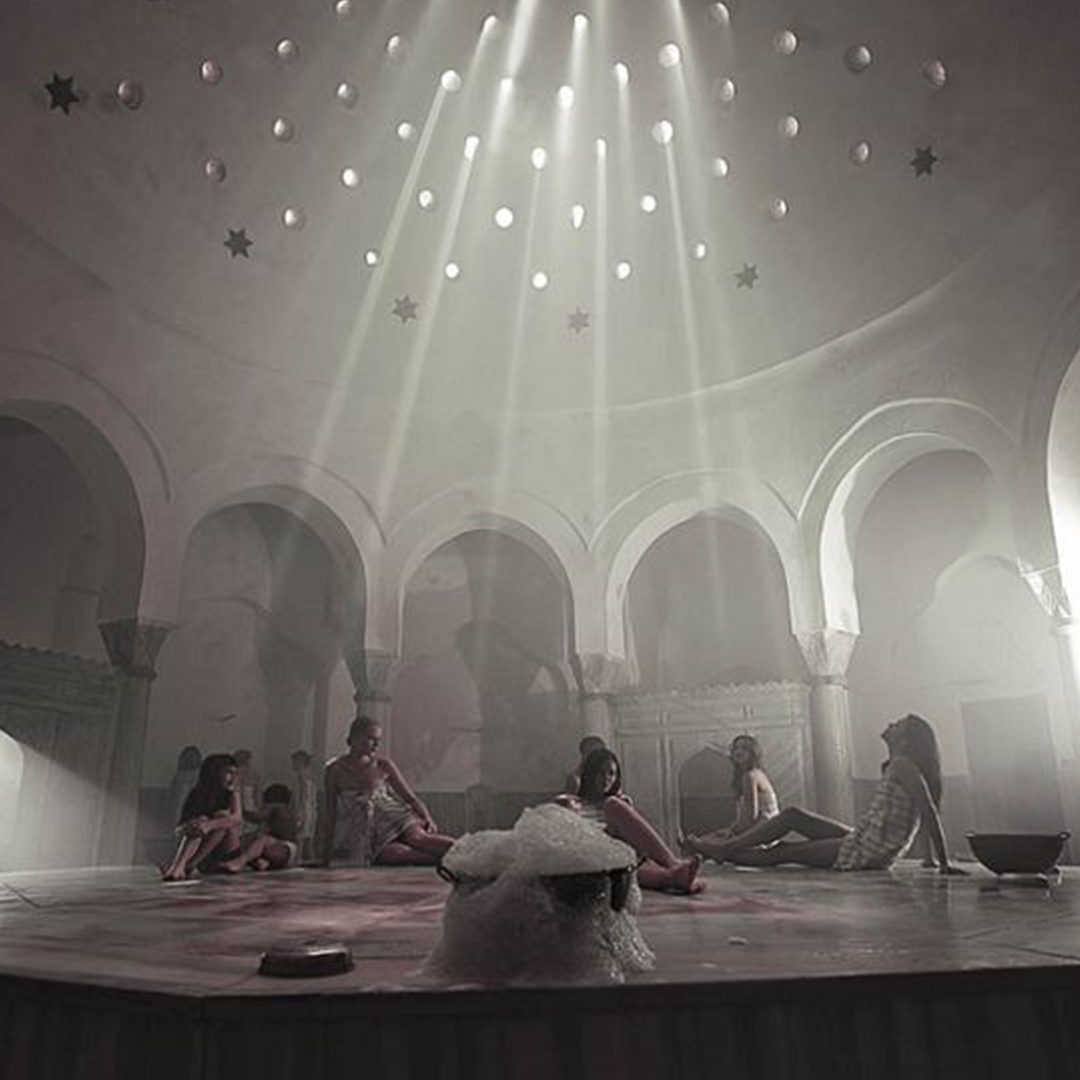
Situated in the historic Beyoğlu district, Galatasaray Hamamı has served the public since the late 15th century, originally commissioned by Sultan Bayezid II as part of the Galatasaray Mosque complex. Its high domed ceilings and classic Ottoman design have changed little over the centuries. Visitors today can enjoy traditional treatments including the kese scrub and foam massage in an atmosphere of genuine historic character.

Ayasofya Hürrem Sultan Hamamı
Located between the Blue Mosque and Hagia Sophia, this exceptional hamam was built in the 16th century by the master architect Mimar Sinan as a gift from Sultan Suleiman the Magnificent to his wife, Hürrem Sultan. Following extensive restoration, it now combines its original grandeur with refined modern spa services. Its rare symmetrical design — with identical sections mirroring each other — reflects the confidence and ambition of the Ottoman Empire at its height.

Kılıç Ali Paşa Hamamı
Constructed between 1578 and 1583 by Mimar Sinan to serve the naval soldiers of the Ottoman fleet, Kılıç Ali Paşa Hamamı is part of a larger complex near the historic Tophane dockyard. It is particularly notable for its vast central dome — one of the largest Sinan ever built — which floods the bathing hall with soft, diffused light. After meticulous restoration, it now offers a luxurious bathing experience that fully honours its historic roots.

Çemberlitaş Hamamı
Built in 1584 by Mimar Sinan and located near the Grand Bazaar, Çemberlitaş Hamamı is one of the most visited historic hamams in Istanbul. Its elegant interior features a graceful series of domes and half-domes, and at its centre the classic marble göbek taşı — the heated navel stone — where bathers relax and receive traditional massages. The combination of historic atmosphere and a consistent focus on the traditional hamam ritual makes it a favourite among both locals and visitors.
Süleymaniye Hamamı
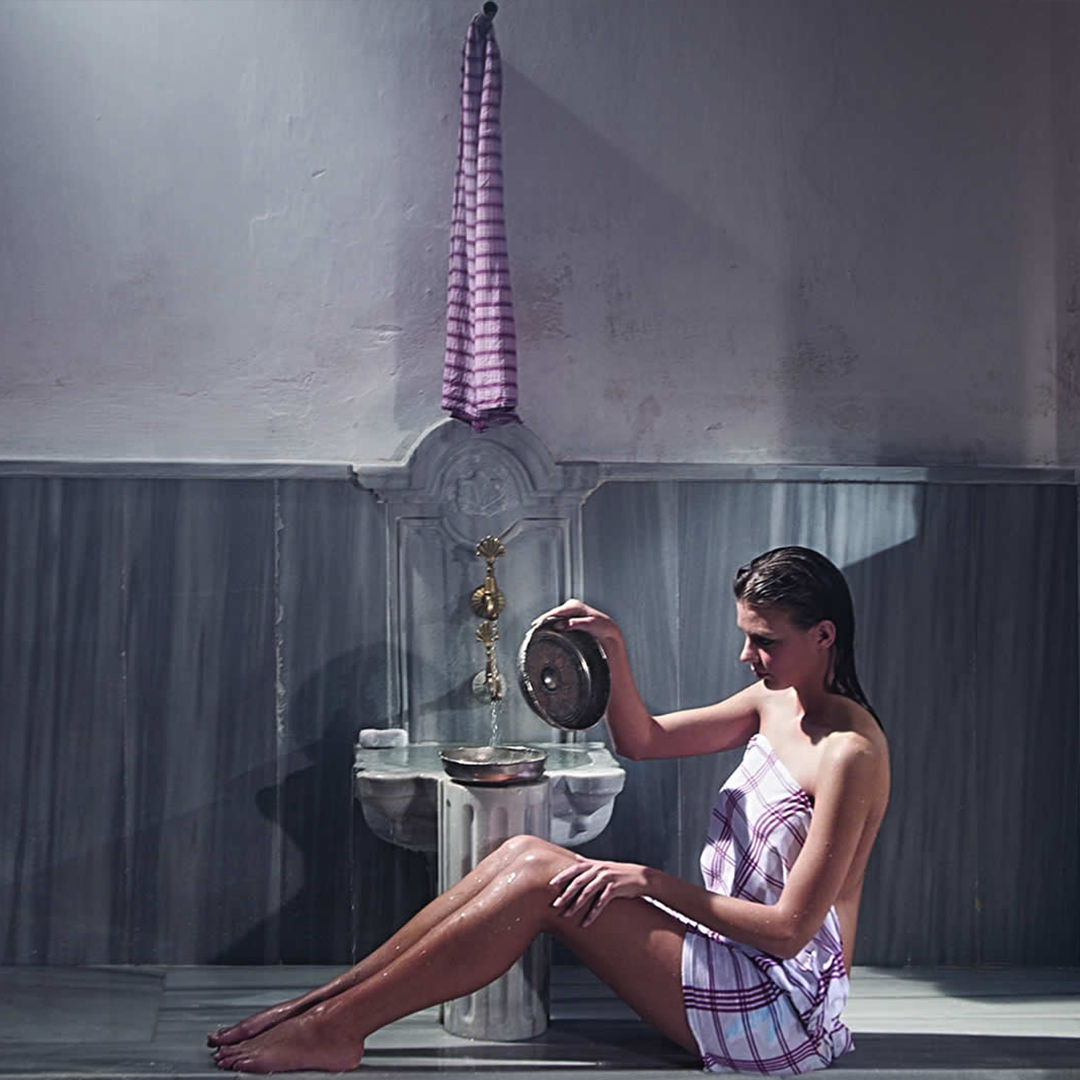
Part of the great Süleymaniye Mosque complex and another masterwork of Mimar Sinan, Süleymaniye Hamamı is distinctive among Istanbul’s historic baths for welcoming couples and families in a mixed-gender setting — a rarity in traditional hamam culture. It combines the classic elements of the steam bath with additional wellness services including aromatherapy massage, all within surroundings of considerable architectural beauty.

Çinili Hamam, Üsküdar
Built in 1640 on the Asian side of Istanbul, Çinili Hamam takes its name — çinili means “tiled” — from the stunning Iznik tiles that decorate its interior. These intricate, brilliantly coloured tiles represent some of the finest surviving examples of Ottoman ceramic artistry. Quieter and more intimate than the great tourist hamams of the historic peninsula, it offers a genuinely peaceful retreat for those who want to experience the hamam tradition away from the crowds.
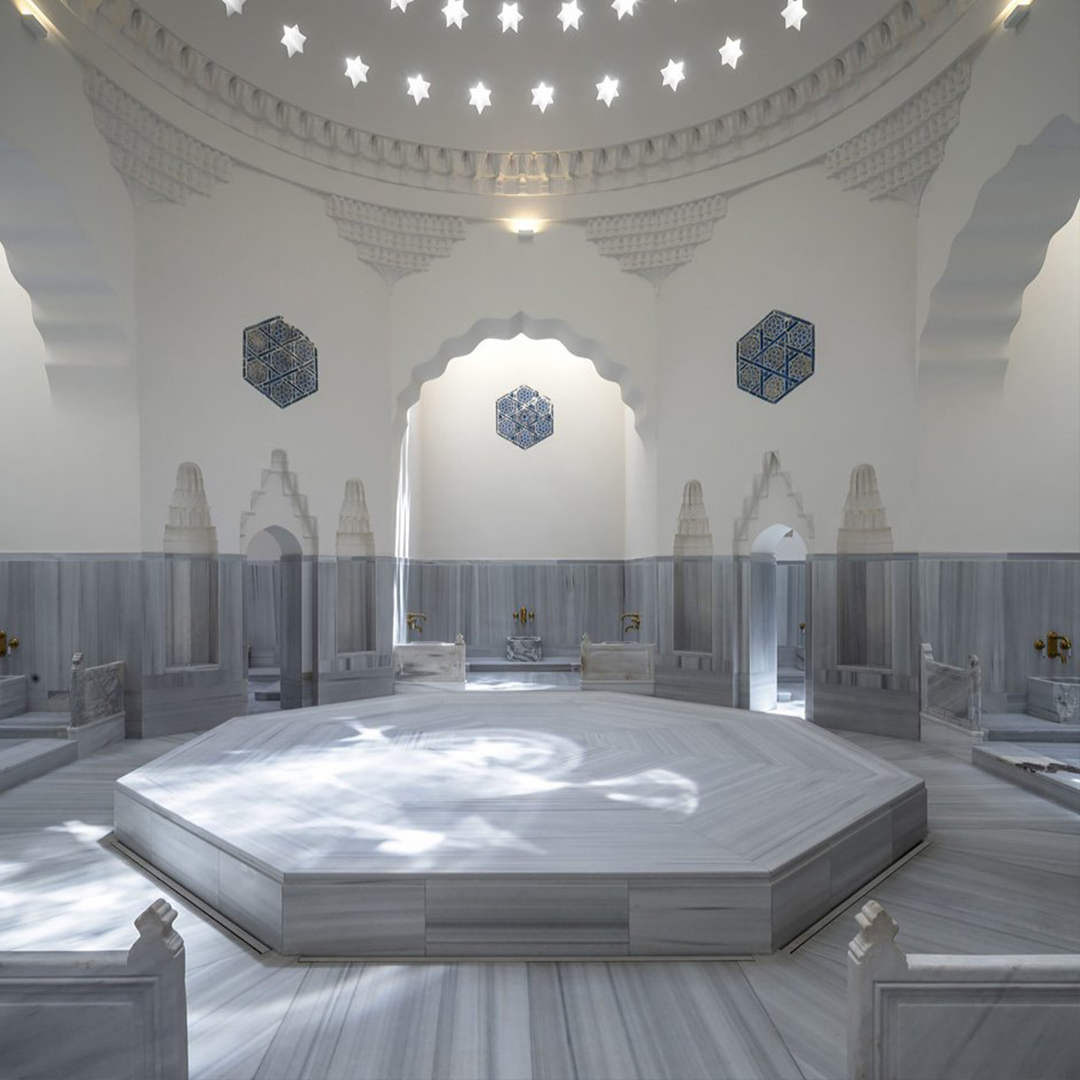
Each of these hamams is not only a place of physical and spiritual renewal but also a living museum — offering an intimate window into the social, cultural, and architectural legacy of the Ottoman world.
Whether you are exploring Istanbul or visiting Cappadocia, we are happy to arrange your Turkish bath experience and take care of all reservations. Please contact us at info@istanbulprivatetour.com or WhatsApp: +90 531 200 09 82